
educational content creation
French O'Clock
French O’Clock started as a response to lockdown isolation and became a thriving French learning community of 500+ members on Discord. Run entirely solo, powered by weekly visual content designed to make learners feel brave enough to try.
scope
Community management
role
Founder
status
Ongoing
programmes


Borders were closed,
the community opened
COVID-19 lockdowns in 2020 cut people off from the immersive environments where language learning happens naturally: classrooms, cafés, travel. French learners had plenty of apps and textbooks, but nowhere to actually use the language with real people, make mistakes safely, and get meaningful feedback.
What started as a small Discord server in 2020 became a sustained learning community over four years. These are the numbers that mattered most.
members
members at peak — French learners from across the world, all levels, all backgrounds
years
of consistent weekly content, moderation, and community management — entirely solo
recurring content
recurring visual content formats designed and produced from scratch every week
The missing environment, rebuilt, and improved
-
The learner problem
Learners lacked a low-pressure space to practise French with real people. Apps taught grammar but couldn't replicate the human feedback loop that actually builds confidence and fluency.
-
The design challenge
If you opt for the professional path, you have to select your field. A marketing professional and a healthcare worker don't share the same vocabulary. This step only exists because it matters: the other three profiles skip it entirely.
-
The solo constraint
Moderation, content creation, community management, feedback, everything was all done by one person. That constraint demanded systems: reusable visual templates, consistent posting rhythms, and scalable feedback formats.
4 main
educational pods
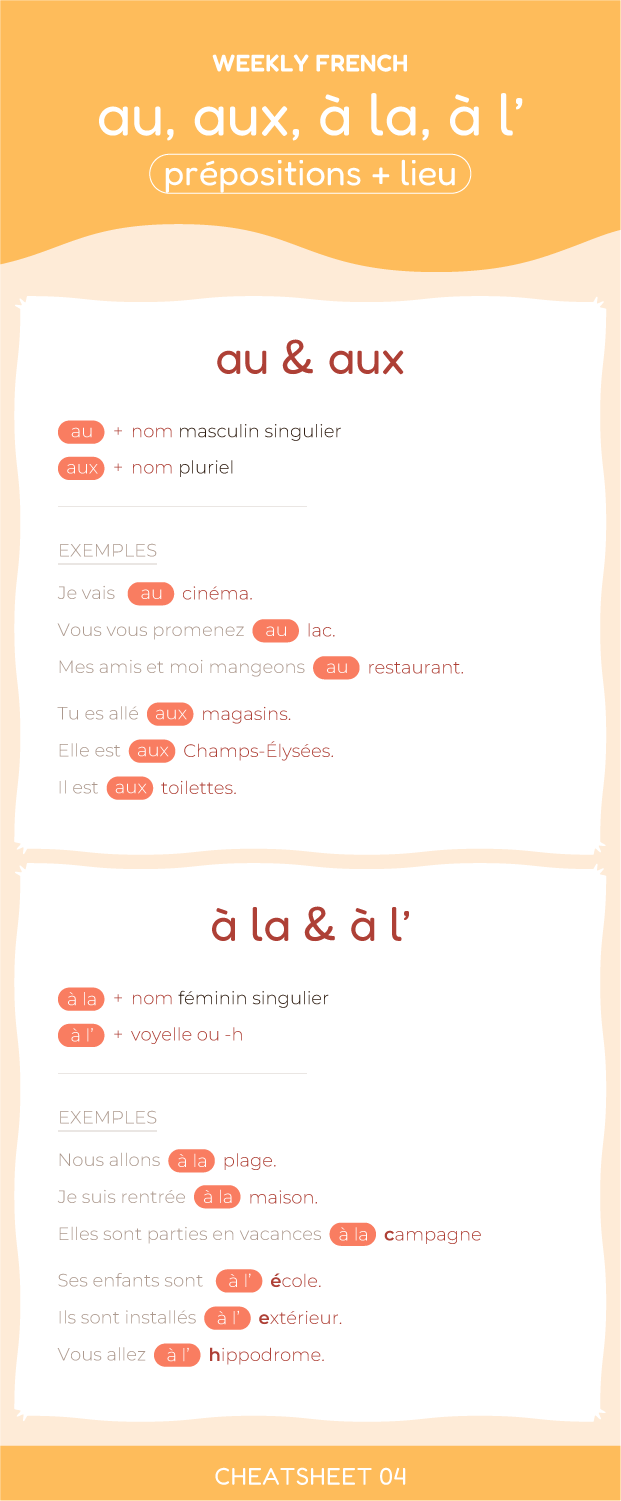
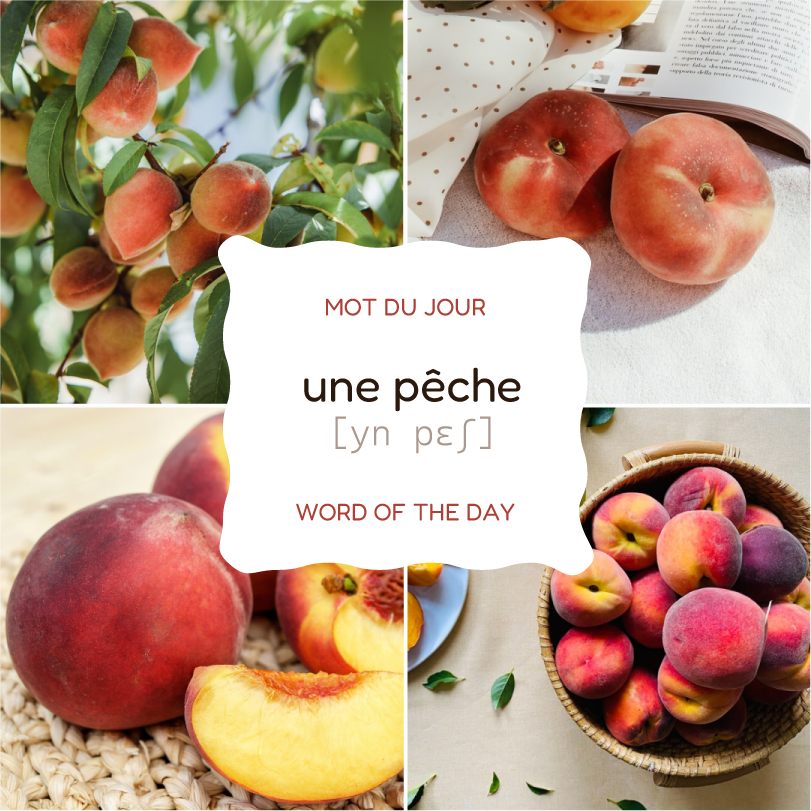
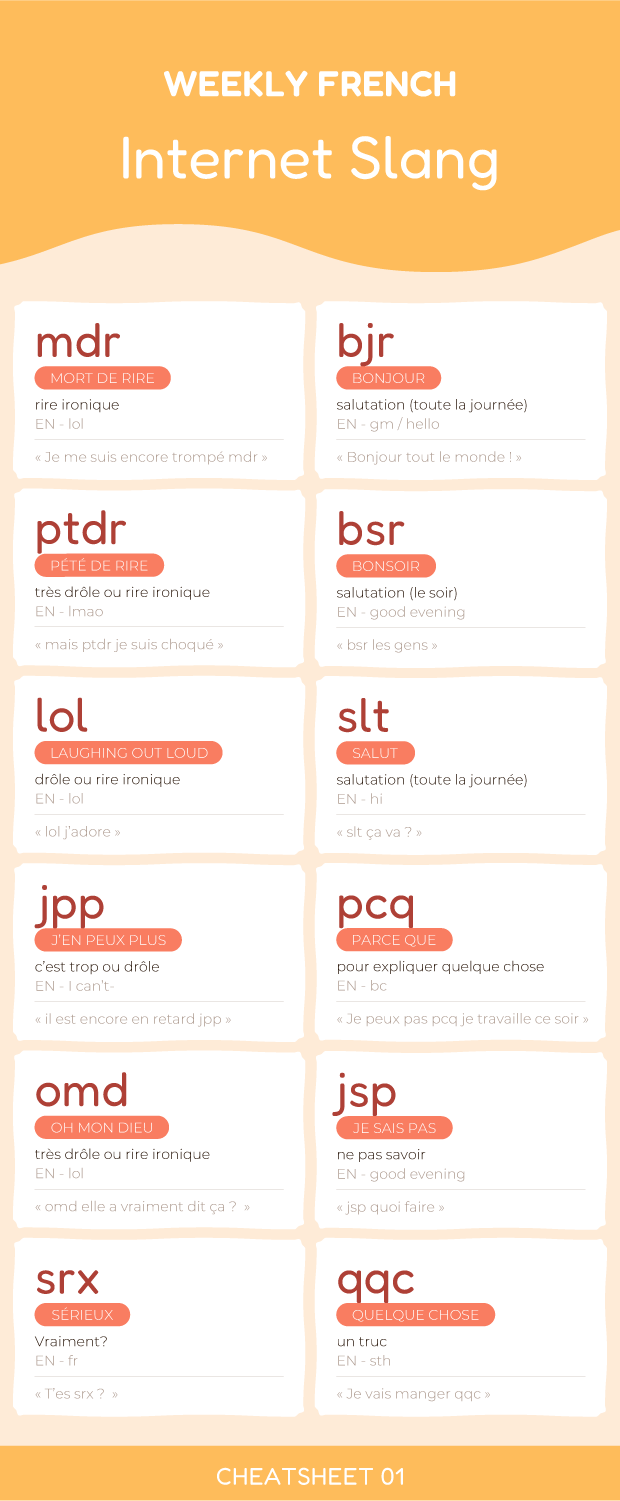
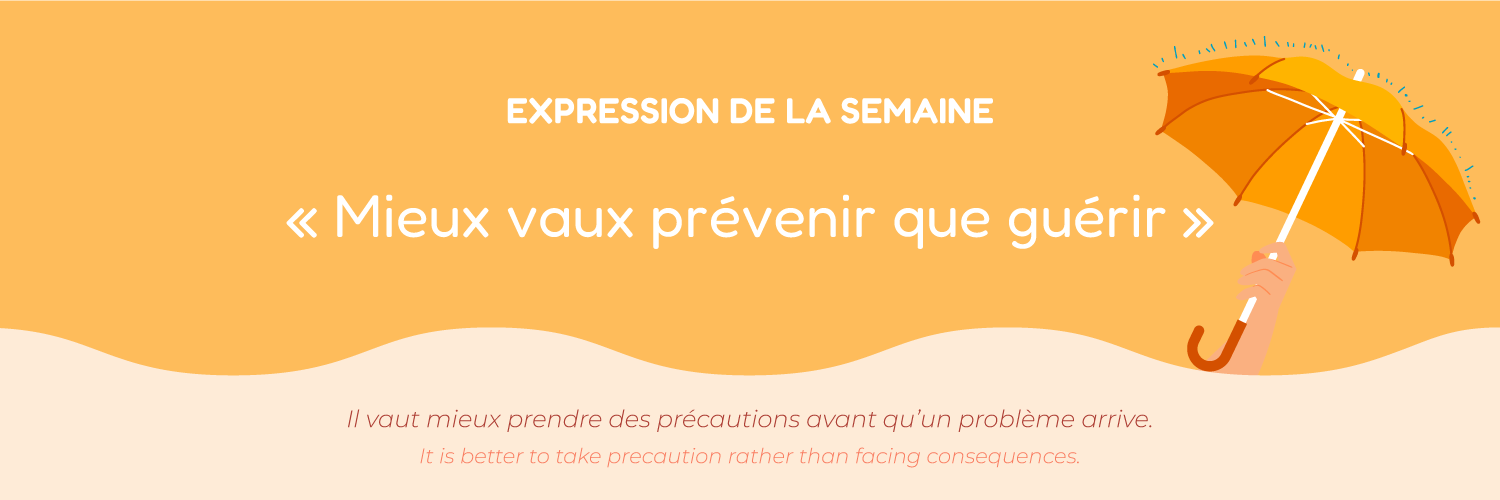
Rather than posting ad hoc, French O’Clock ran on a recurring system of six visual content formats — each designed to serve a different moment in the learner’s week and a different type of learning need.
Word of the day
A daily visual pairing a French word with its definition, pronunciation guide, and pictures to help the learners understand its meaning. Designed for passive absorption — something a learner could absorb in ten seconds.
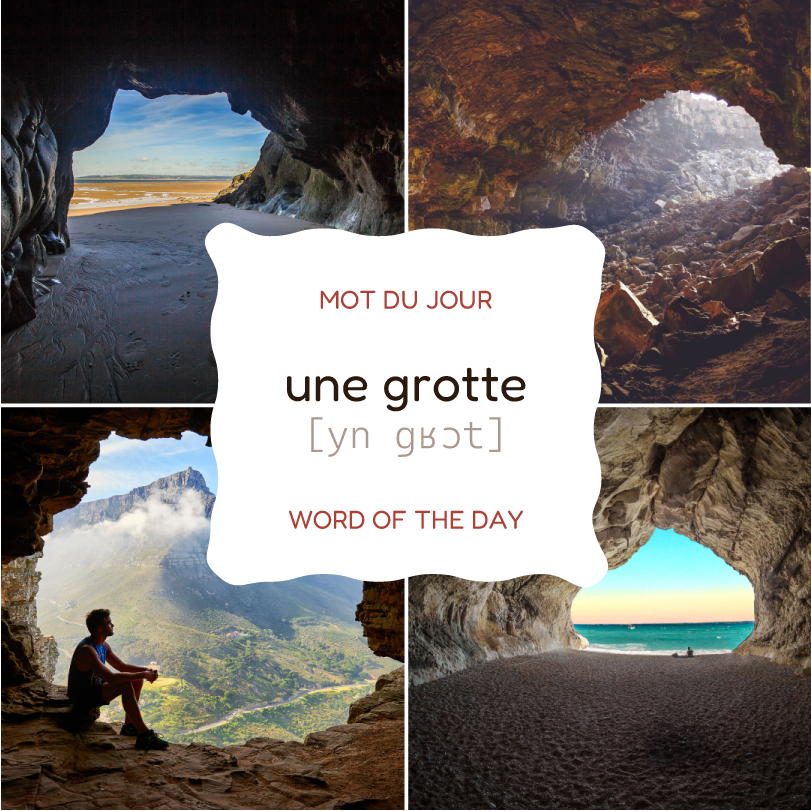
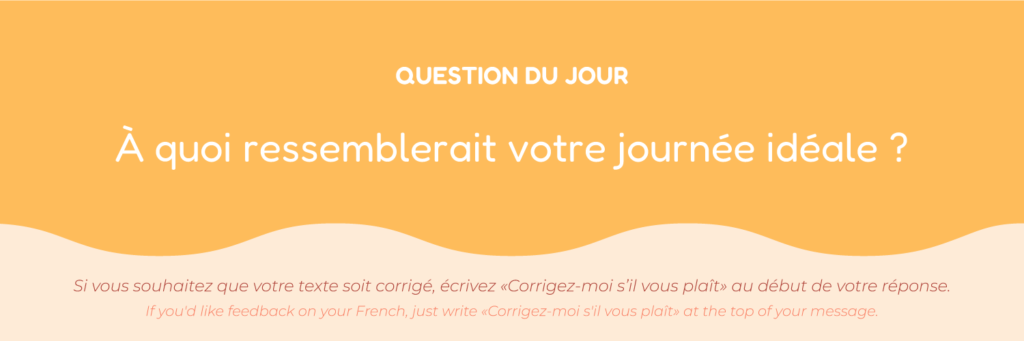
Question of the week
A visual prompt — a question in French — that invited members to reply in French. Every response received a comprehensive written correction and explanation. The most pedagogically rich format: it closed the loop between attempt and feedback.
Grammar cheat sheets
Quick to read, easy to keep. Each sheet covers one grammar point from rule or a set of words to example.
The whole
learning ecosystem
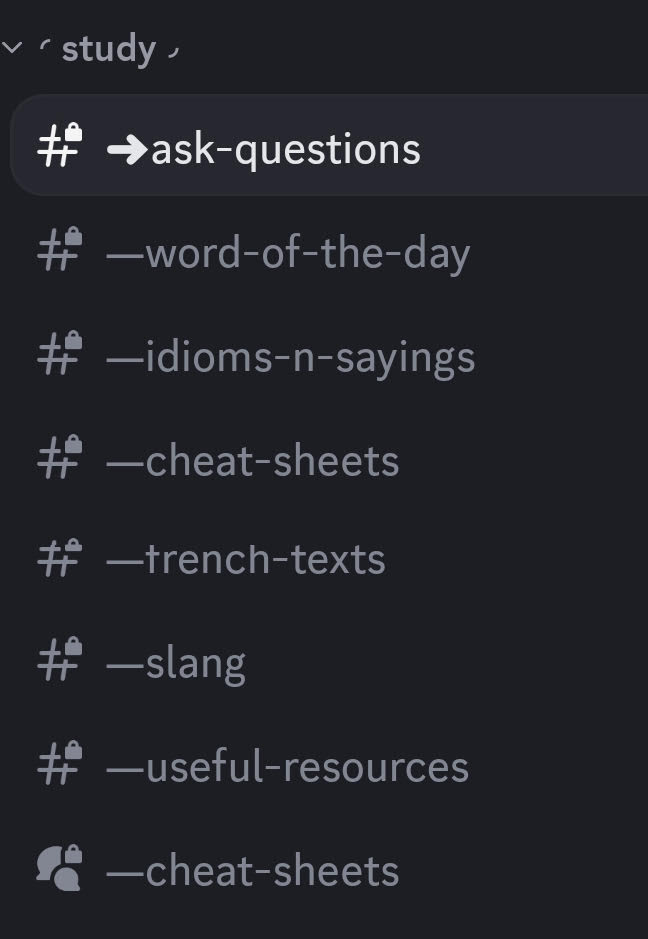
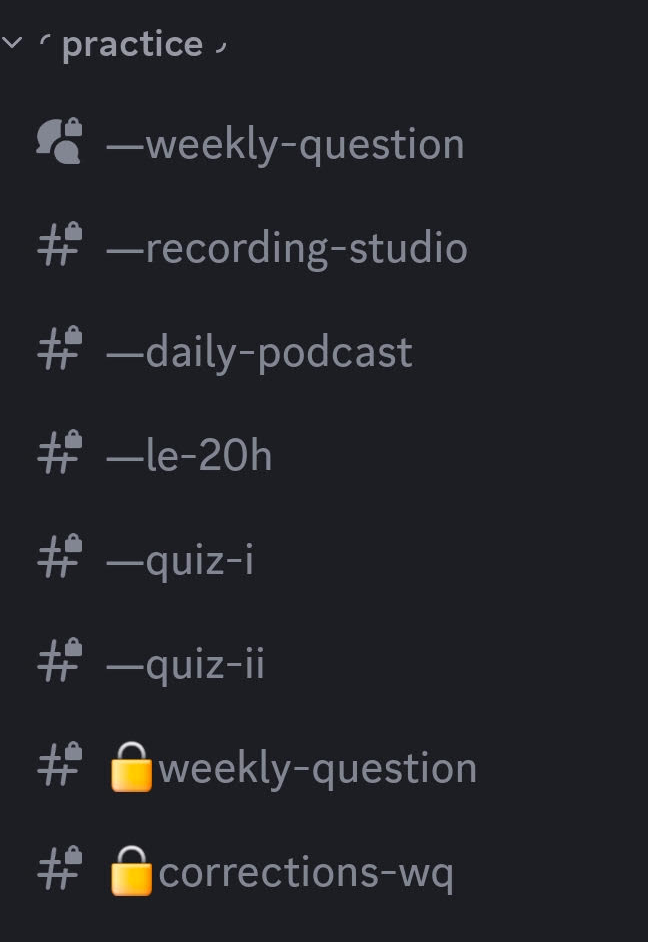
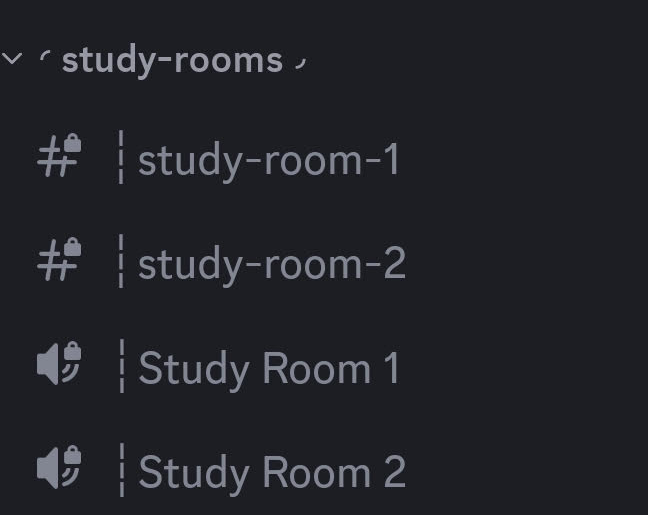
Behind every piece of content was a space designed to hold it. The server’s channel structure wasn’t accidental as each category served a different moment in the learner’s journey, from onboarding to daily practice to community conversation. This is what it looked like from the inside.
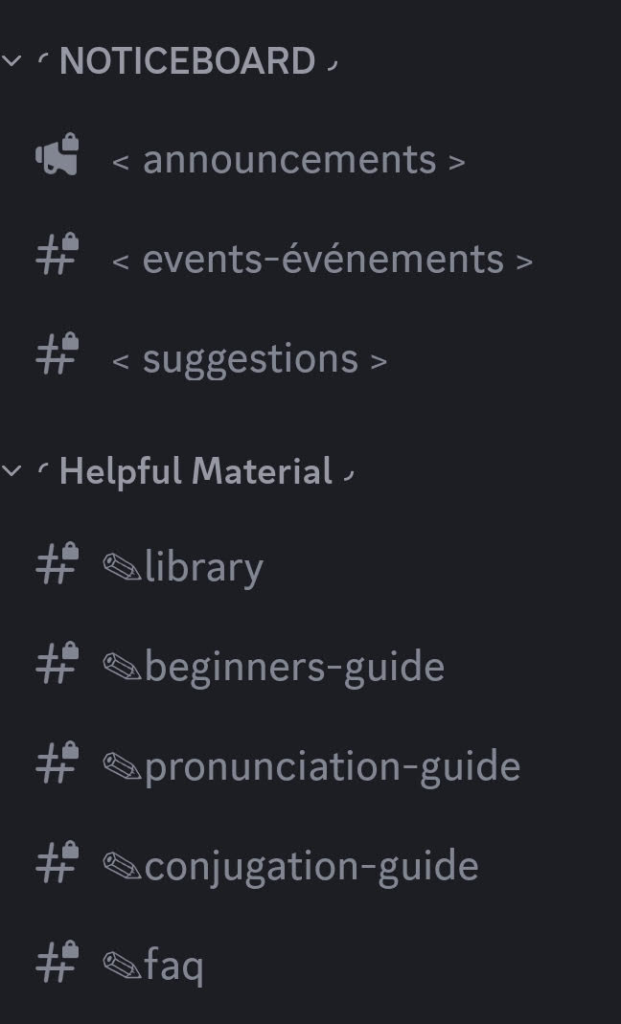
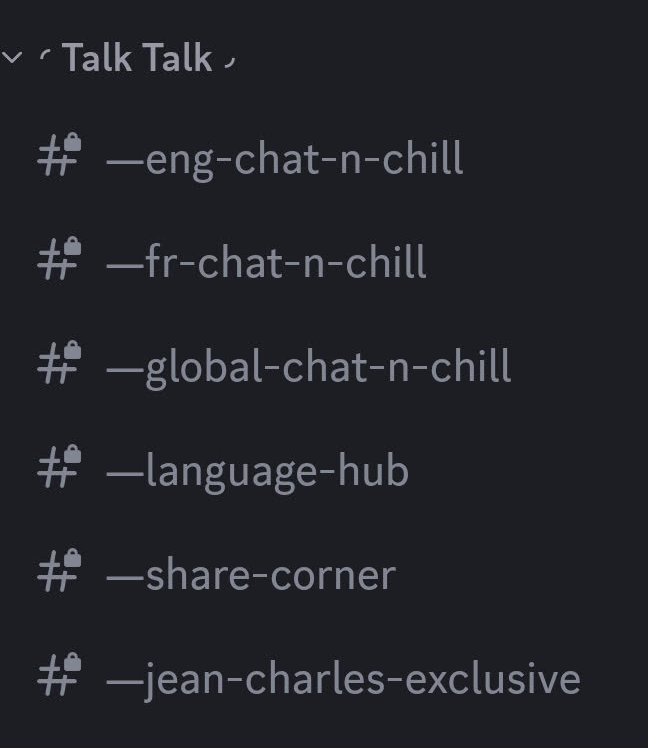
What you build
builds you back
key insight
What I have learnt
Personalisation is a feeling. The most engaged were the ones who felt seen by the content and comfortable within the community. When they noticed a cheat sheet addressed exactly the mistake they’d been making or a quiz used vocabulary from their level, they came back.
improvements
What I would revisit
I’d build a content calendar from day one and document the templates more rigorously. Running it solo meant a lot of knowledge lived only in my head. With hindsight, a documented system from the start would have made it more scalable and easier to hand off or grow.
what it gave me
The next step
A designer’s instinct for what makes learning content land. Not just whether it looks good, but whether it reduces cognitive load, builds confidence, and invites participation. That’s the lens I bring to every educational design project, because I’ve seen, at scale, what happens when it’s missing.